Here in Gulfport, MS, we meet a lot of vehicle owners who want the same thing: maximum protection for their vehicle’s paint, without going overboard or paying for things that don’t match their real driving lifestyle. Most people aren’t trying to build a show car. They simply want their paint to stay clean, glossy, and protected for years, not just a few months.
And honestly, Gulfport is one of those places where paint takes a beating faster than drivers expect. Between strong coastal sun exposure, salt air, sand, frequent rain, and day-to-day road grime, the finish can start wearing down quickly. Add highway driving on US-90 and I-10, plus debris and gravel kicked up by traffic, and you’ve got the perfect recipe for chips, etching, and accelerated clear coat wear.
So the big question comes up all the time, and it’s a smart one: can you combine ceramic coating with paint protection film, and is it worth it? The answer is yes, and in many cases, it’s one of the best protection strategies for a daily-driven vehicle in Gulfport.
What Ceramic Coating Actually Does (And What It Doesn’t)
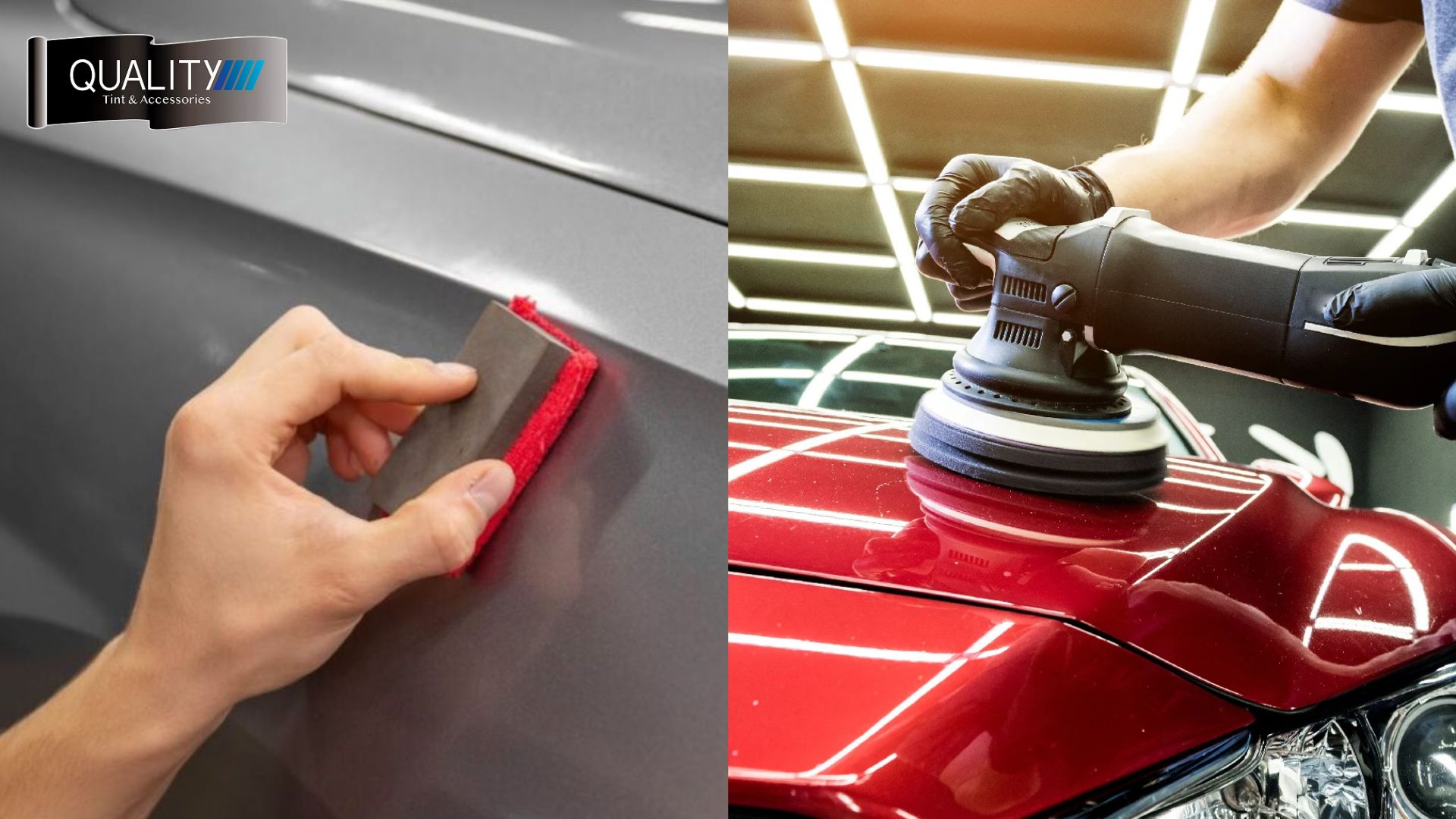
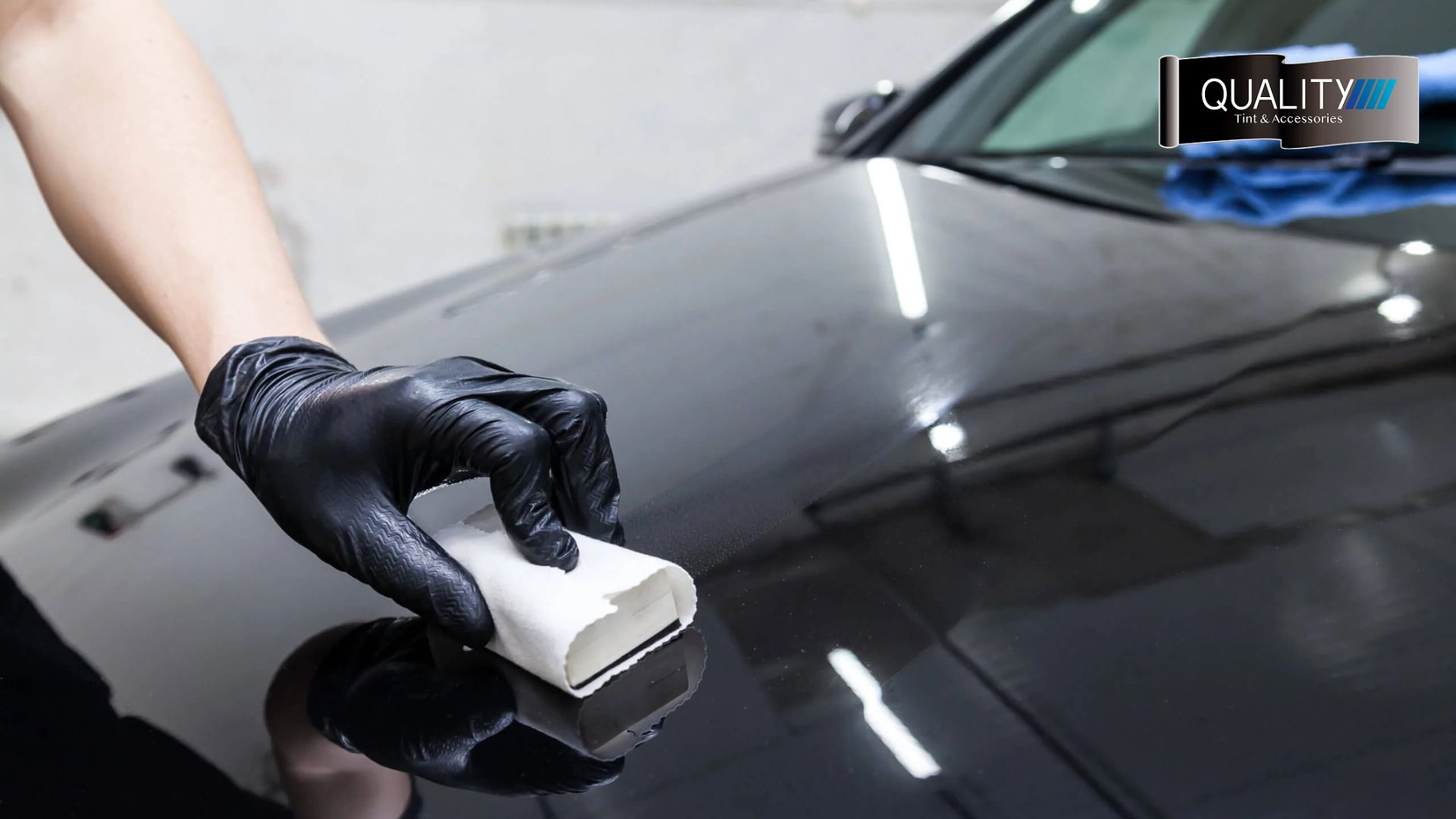
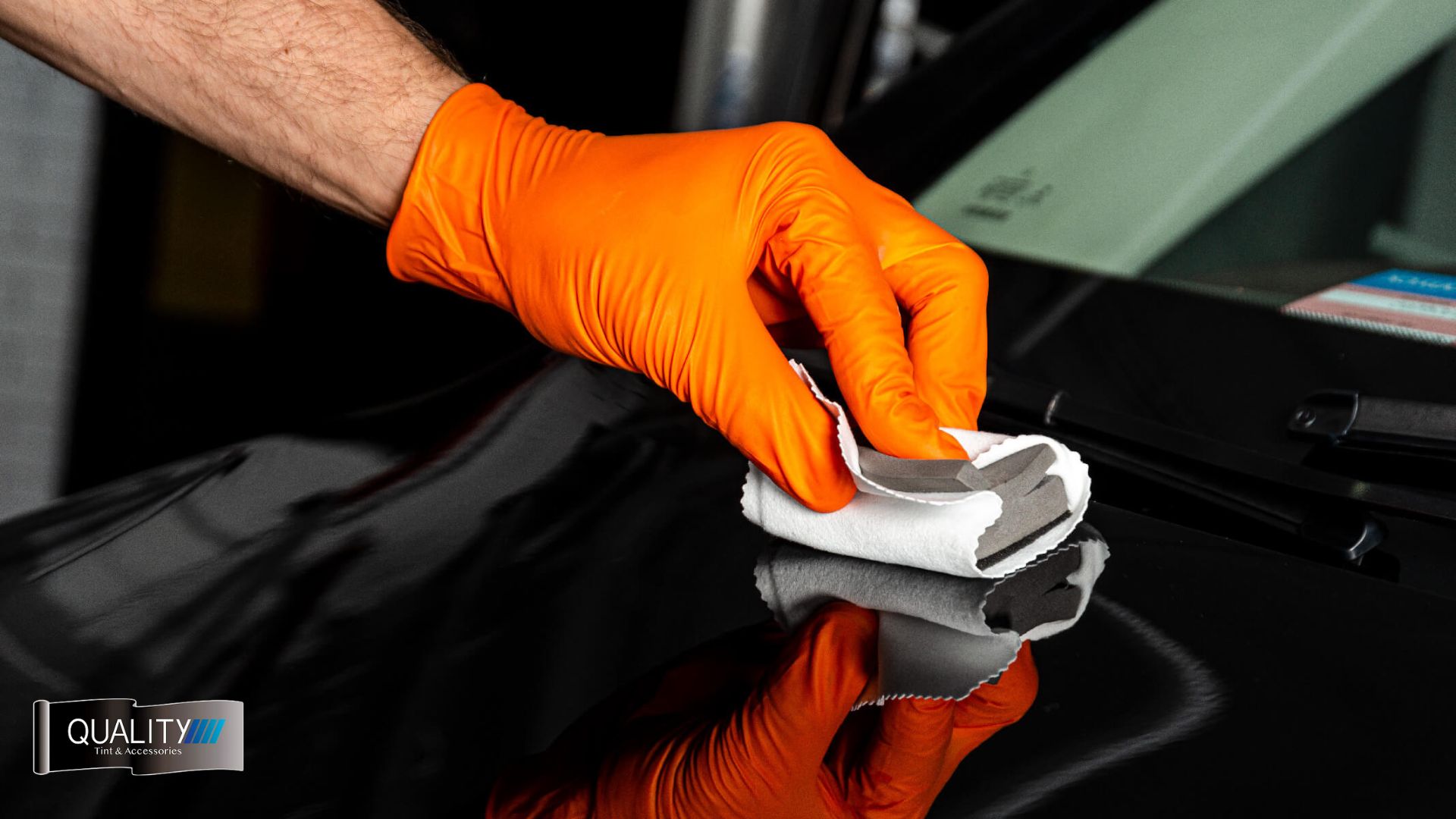
Ceramic coating is one of the most effective ways to protect your paint from the kind of environmental damage we see constantly here on the Mississippi Gulf Coast. It bonds to the clear coat and creates a hardened surface layer that’s slick, hydrophobic, and much easier to maintain over time.
What most drivers notice first is how much easier it becomes to keep the car clean. Rainwater beads off, road film doesn’t cling as aggressively, and washing becomes faster because dirt releases more easily. That matters a lot in a place like Gulfport where the vehicle can get coated with moisture, coastal residue, and grime even when you’re not driving far.
Ceramic coating protection is best described as protection against contamination and weathering, not physical impact. It helps a ton with keeping your finish looking fresh, but it does not work like armor.
Here’s what ceramic coating helps protect against:
- UV exposure and fading from constant sun
- Light contamination and staining from grime buildup
- Water spotting and mineral deposits after rain
- Chemical exposure from road film and environmental fallout
- Easier car washing thanks to a hydrophobic coating surface
That said, ceramic coating is not designed to stop physical damage. If a rock hits your hood on I-10, no coating is going to “block” that impact. Coatings help preserve and protect, but they don’t absorb blows the way film does.
What Paint Protection Film (PPF) Really Protects Against
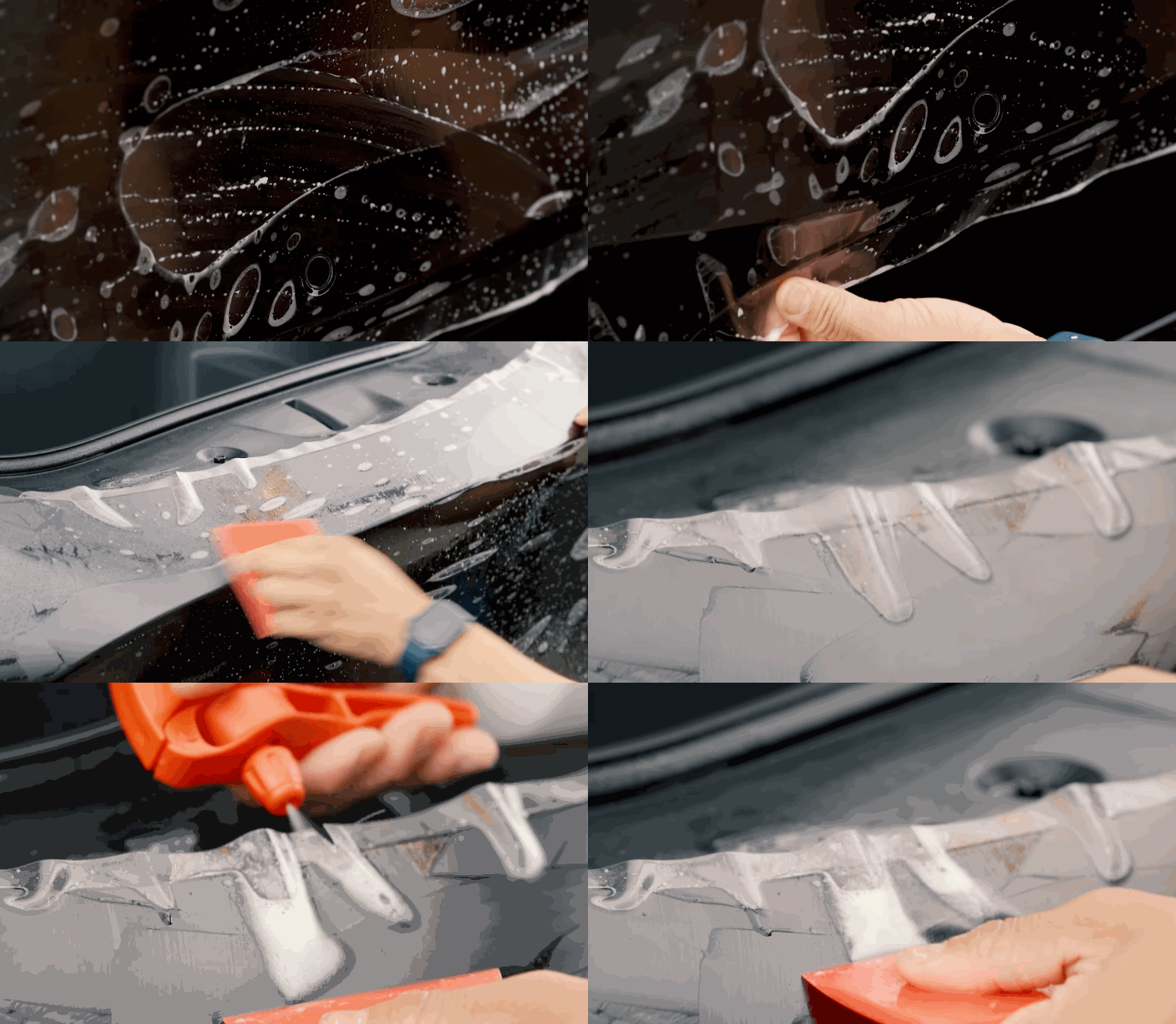
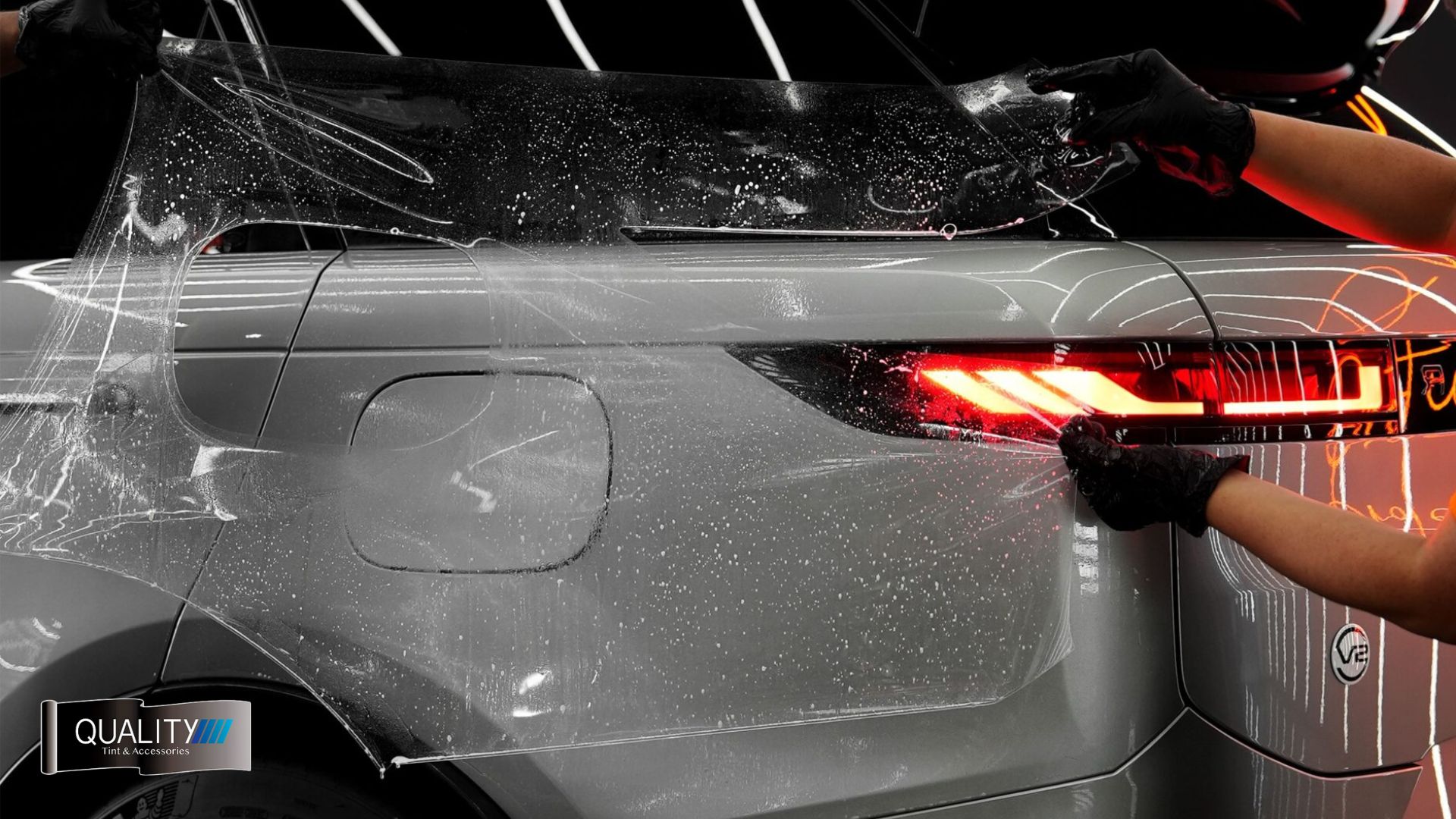
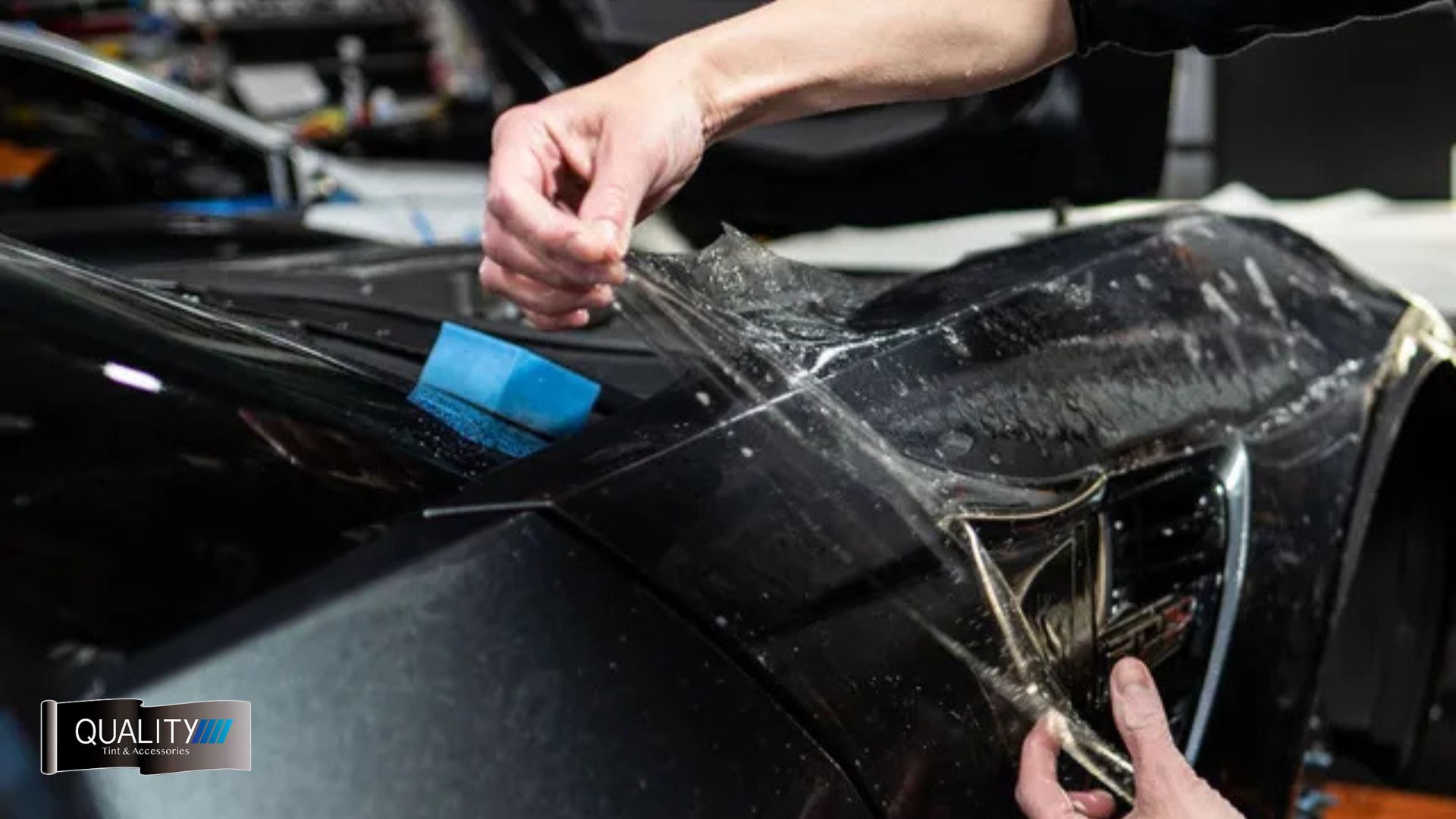
Paint protection film is built for the kind of damage that Gulfport driving creates at random and at high speed. It’s a durable, transparent layer installed over the paint, designed specifically to take the hit before your clear coat does. This is why so many daily drivers love it, especially if they’re commuting, road-tripping, or constantly driving around heavier traffic areas.
If ceramic coating is your “easy maintenance + long-term gloss” solution, paint protection film is your “stop the paint from getting destroyed” solution. This is where impact protection becomes real, especially on the front end, which is always the first part of a vehicle to show wear.
PPF protection is especially valuable for:
- Rock chips and gravel impact on the hood and bumper
- Sand and road debris damage from Gulf Coast driving
- Bug impacts that can etch into clear coat
- High-contact areas like mirrors and rocker panels
- Everyday scuffs and abrasions in vulnerable spots
Most high-quality films also include self-healing film technology. In practical terms, that means minor swirls and light scratches can become less visible over time with heat, but it doesn’t mean the film is “magical” or indestructible. The real value is that the film absorbs damage and preserves the paint underneath.
That’s also why PPF is often called a clear bra, especially when installed on the front bumper, partial hood, full hood, and fenders.
Can You Combine Ceramic Coating with Paint Protection Film?
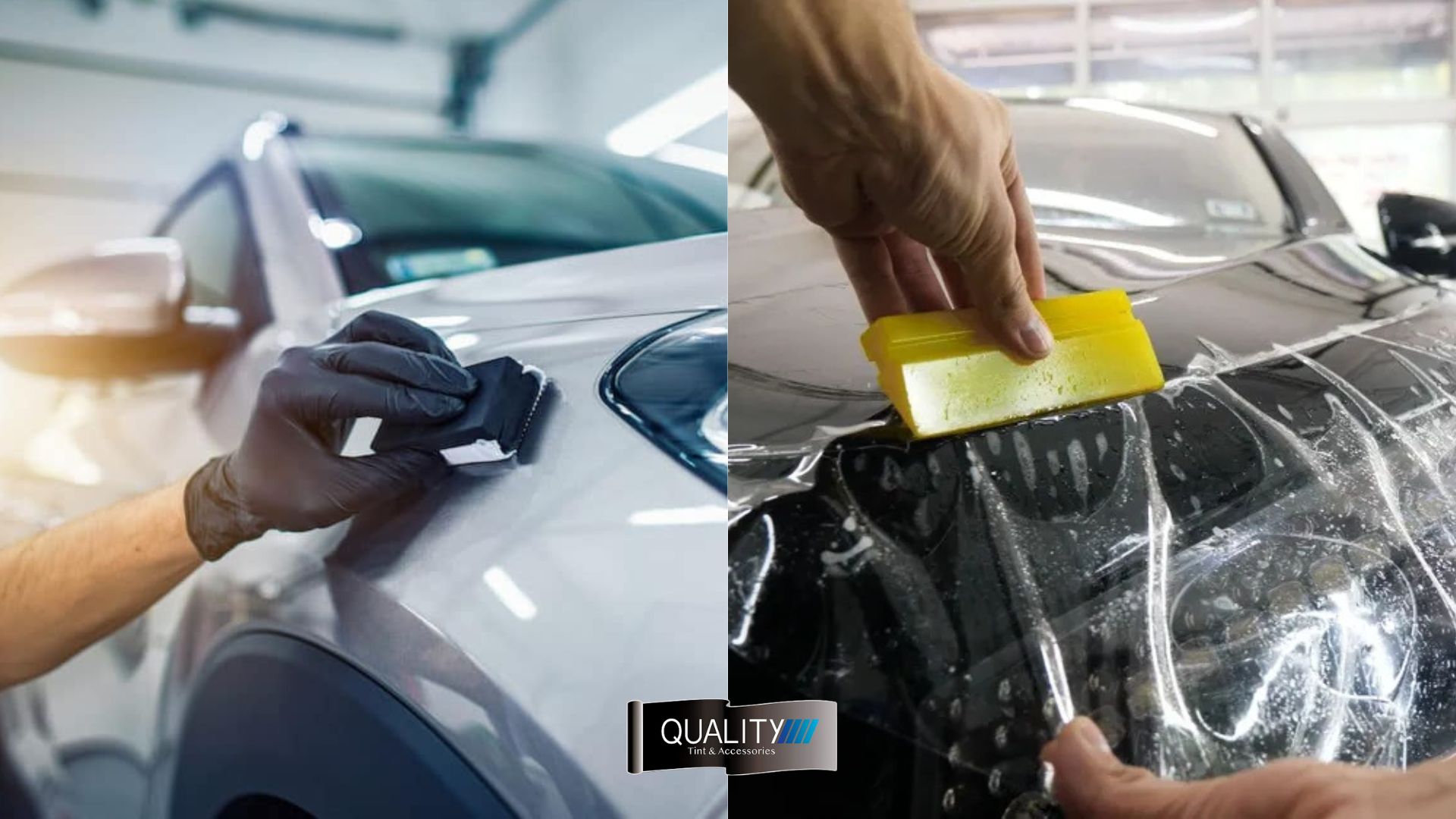
Yes, absolutely, ceramic coating and paint protection film can be combined, and when done correctly, they complement each other extremely well. This isn’t doubling up for no reason. It’s layering protection the right way so your vehicle is covered from multiple angles.
Here’s the simple truth: PPF handles the impact damage, while ceramic coating improves gloss, cleaning, and resistance against staining and contamination. When you put them together, you get stronger overall protection without having to rely on just one product to do everything.
The most common setup we install for Gulfport drivers looks like this:
- PPF installed on high-impact zones (bumper, hood, fenders, mirrors, rocker panels)
- Ceramic coating over PPF to make the film slicker and easier to clean
- Ceramic coating applied to the rest of the painted surfaces for consistent protection
This is what people mean when they say ceramic coating over PPF, or PPF with ceramic coating. It’s layered paint protection that makes sense for real driving, real weather, and real ownership.
And in Gulfport, with the sun, humidity, salt air, and road debris, that layered approach is one of the most balanced options you can choose.
Best Order of Installation: What Comes First and Why
If you’re combining both products, the installation order matters a lot more than most people realize. The correct order is always paint protection film first, ceramic coating second. That’s the standard because film needs to bond directly to properly prepped paint, and ceramic coating can interfere with that bonding if applied before the film.
When coating is installed first, the surface becomes slick, which can increase the risk of film edges lifting or failing prematurely. That’s not a product issue, it’s a process issue, and it’s one of the biggest reasons we always emphasize professional PPF installation and proper surface preparation when we build a protection package.
After PPF is installed, ceramic coating can be applied to:
- Painted panels not covered by film
- The surface of the paint protection film itself
- Wheels (optional but very useful)
- Exterior trim (optional depending on material)
When done in the right order, the vehicle ends up protected in a way that makes sense: the film takes the hits, and the ceramic coating makes everything easier to maintain and keep looking sharp long-term.
What Parts of Your Vehicle Should Get PPF vs Ceramic Coating?
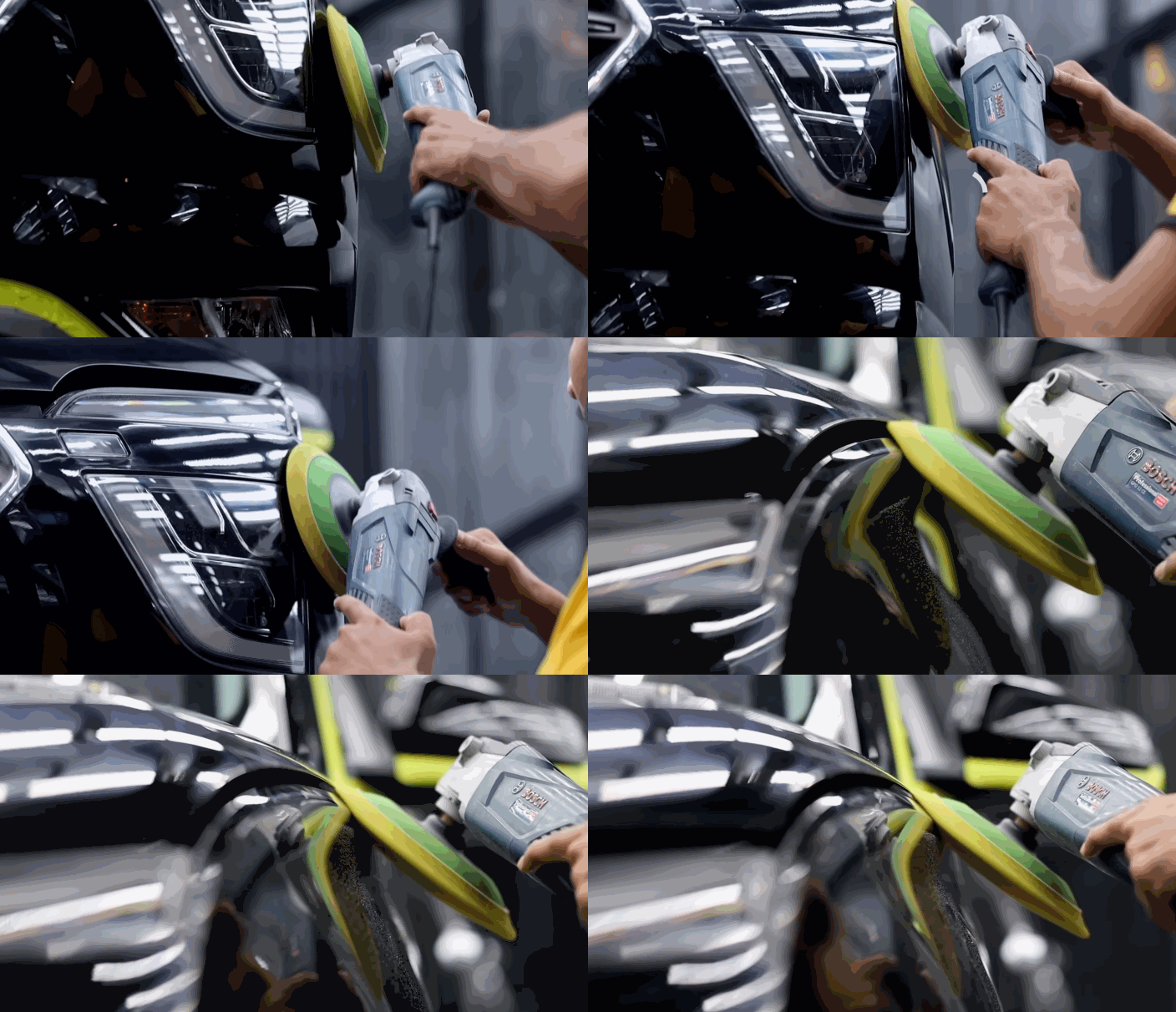
One of the biggest mistakes we see is people thinking they have to choose one product for the entire vehicle. In reality, the smartest approach is using paint protection film where your vehicle takes the most physical abuse, and using ceramic coating where you want easier cleaning, stronger chemical resistance, and long-term shine.
In Gulfport, chips and sand damage are extremely common, especially if you drive US-90 often, commute toward I-10, or spend a lot of time behind trucks. That’s why we typically recommend putting PPF on the panels that get hit first, and using ceramic coating across the entire vehicle for easier upkeep.
Here are the most important zones for PPF in Gulfport driving:
- Front bumper (the #1 impact zone)
- Hood (partial hood or full hood depending on driving habits)
- Front fenders (especially leading edges)
- Side mirrors (chips happen constantly here)
- Rocker panels (serious need for rocker panel protection due to sand and road grit)
From there, coverage options come down to how you actually use your vehicle. Partial front PPF can be a good option for someone who drives mostly around town and wants basic protection. Full front PPF makes more sense for frequent highway commuters, beach-area drivers, or anyone who wants to keep the front end looking clean long-term.
Then ceramic coating ties everything together. Even if you don’t wrap the entire car in film, ceramic coating maintenance makes life easier across the board because it reduces buildup, stains, and wash frustration on every painted surface.
How This Combo Helps in Gulfport’s Coastal Conditions
Gulfport is one of those environments where paint doesn’t just get “dirty”, it gets attacked. Between strong sun exposure, humidity, salt air residue, and frequent storms, the clear coat deals with constant wear, even when a vehicle is parked. And if you’re driving daily, those conditions stack up even faster.
This is where combining ceramic coating and paint protection film makes so much sense. They protect against different types of damage, but Gulfport paint damage is rarely caused by only one thing.
To put it simply, PPF blocks the hits, while ceramic coating makes everything easier to maintain. In real Gulfport driving conditions, this combo works because paint protection film helps shield your vehicle from sand and debris, especially across the front end and rocker panels, while ceramic coating helps fight contamination like salt air residue, road film, and rainwater spotting. The result is a vehicle that becomes easier to rinse and wash after storms, with bug impacts and grime less likely to bond to the surface, and a finish that stays glossier and cleaner with far less effort.
This matters a lot if you park outside at home, park in open lots near the beach, commute daily, or simply don’t want to wash your car every few days just to keep it looking decent. At Quality Tint & Accessories, we’ve worked with enough Gulfport vehicles to recognize exactly how coastal wear shows up over time, and we build protection packages around those real conditions, not generic recommendations.
Conclusion: The Smartest Way to Get the Best of Both (PPF + Ceramic Coating)
If you want the cleanest and most complete protection strategy, combining paint protection film and ceramic coating is hard to beat. PPF handles impact damage and chips, while ceramic coating improves gloss, makes the vehicle easier to clean, and protects against the environmental stress that Gulfport paint deals with year-round.
This combination isn’t redundant, it’s complementary, but only when it’s installed in the right order and applied with the right prep. When done correctly, it gives you a vehicle that stays cleaner, looks better longer, and takes far less damage from daily driving.
If you’re in Gulfport and you’re considering ceramic coating, PPF, or both, reach out to Quality Tint & Accessories. We’ll help you choose the right coverage based on your driving habits, your parking situation, and what kind of long-term protection you actually want. Contact us today to request a quote or consultation and let’s build a protection plan that makes sense for your vehicle.
Quality Tint & Accessories

Address:
9465 Creosote Rd Suit H, Gulfport, MS 39503, United States
Phone:
+1 228-372-8468
Google Reviews
Reviews from the web